What Is a Virtual Dressing Room
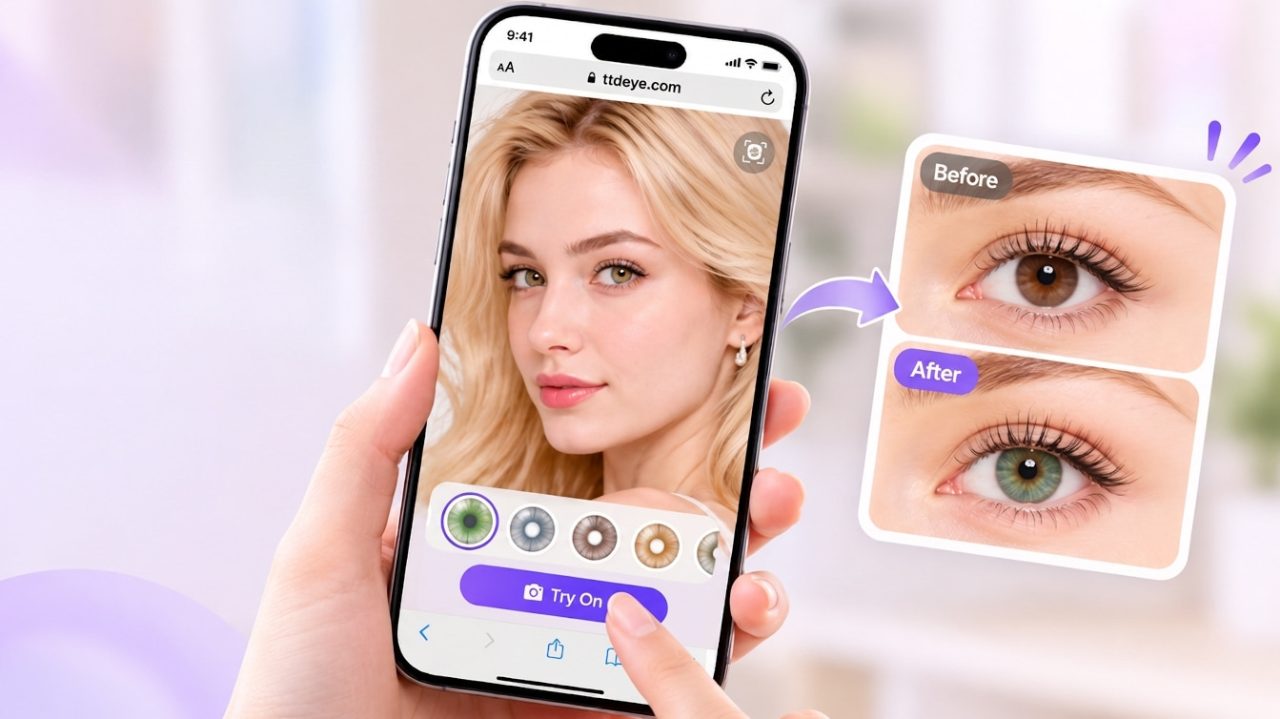
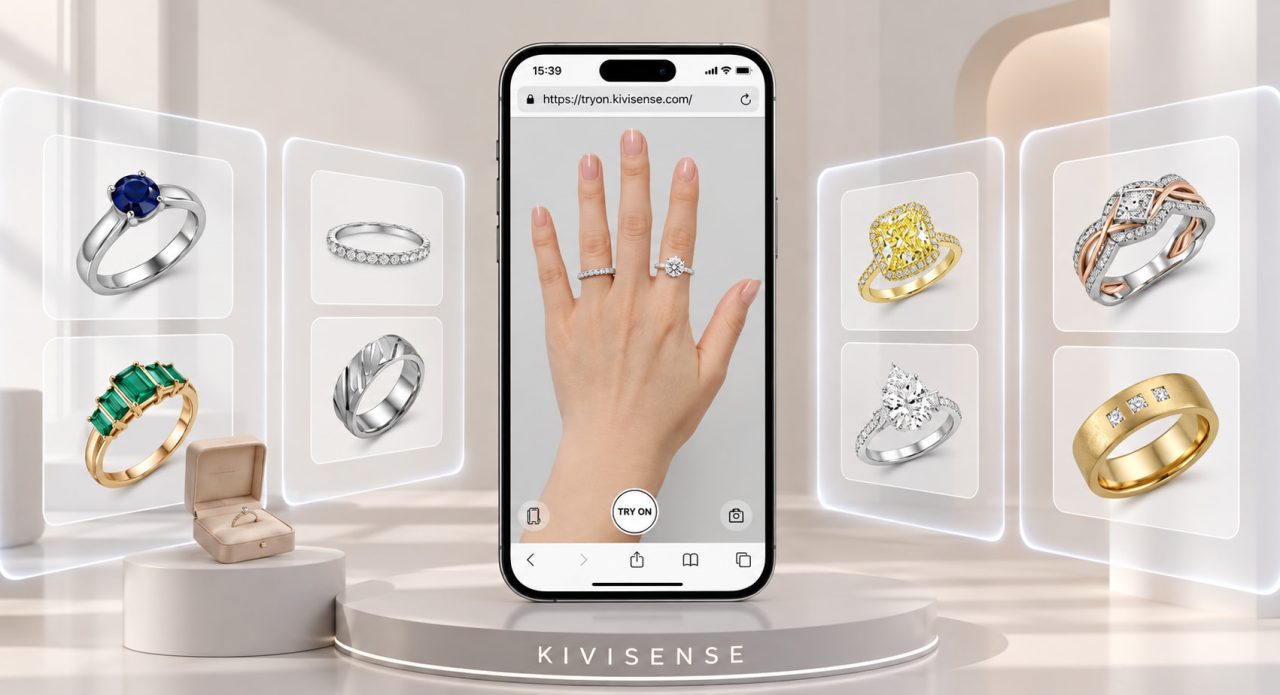
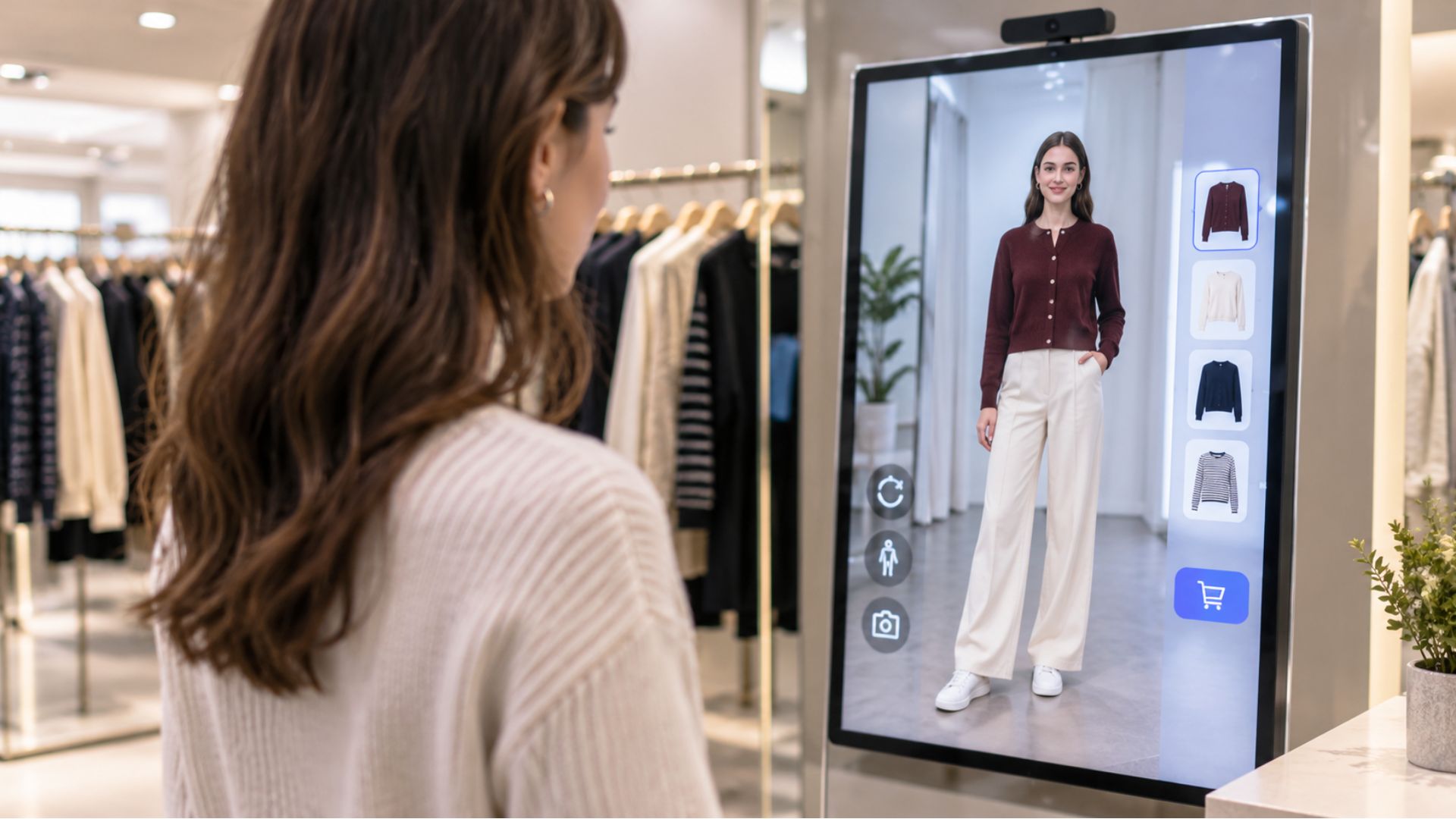
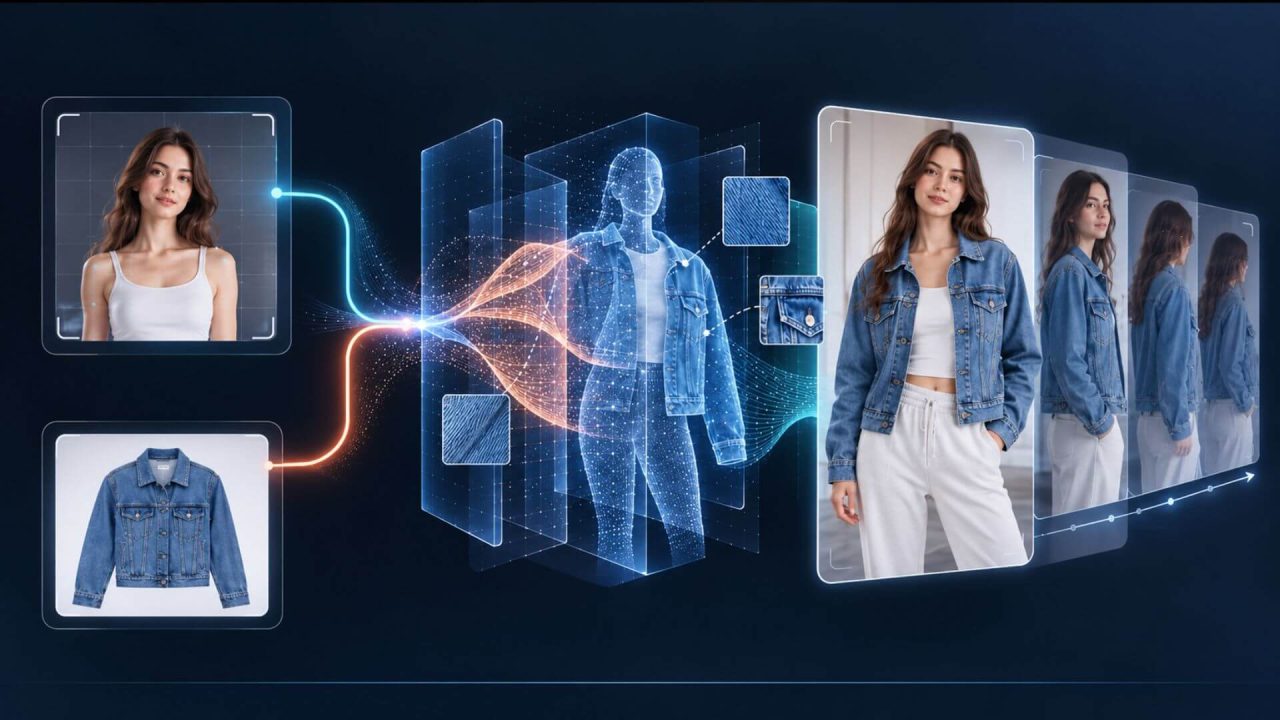
A virtual dressing room refers to a digital shopping experience that allows customers to virtually try on clothes and other accessories. Using technologies like AI and AR, it generates a visual representation of how clothing may look on a shopper without requiring them to physically wear it.
Virtual dressing rooms address the uncertainty customers face when choosing clothes and help retailers cut return rates, making it a true game-changer for the e-commerce industry.
Different Types of Virtual Dressing Rooms
Past virtual dressing solutions produced static images, while the latest AI-powered virtual dressing room brings more realistic and natural real-time results. Depending on how customers access the experience, it comes mainly in 3 different forms:
1. Website-Embedded Virtual Dressing Rooms
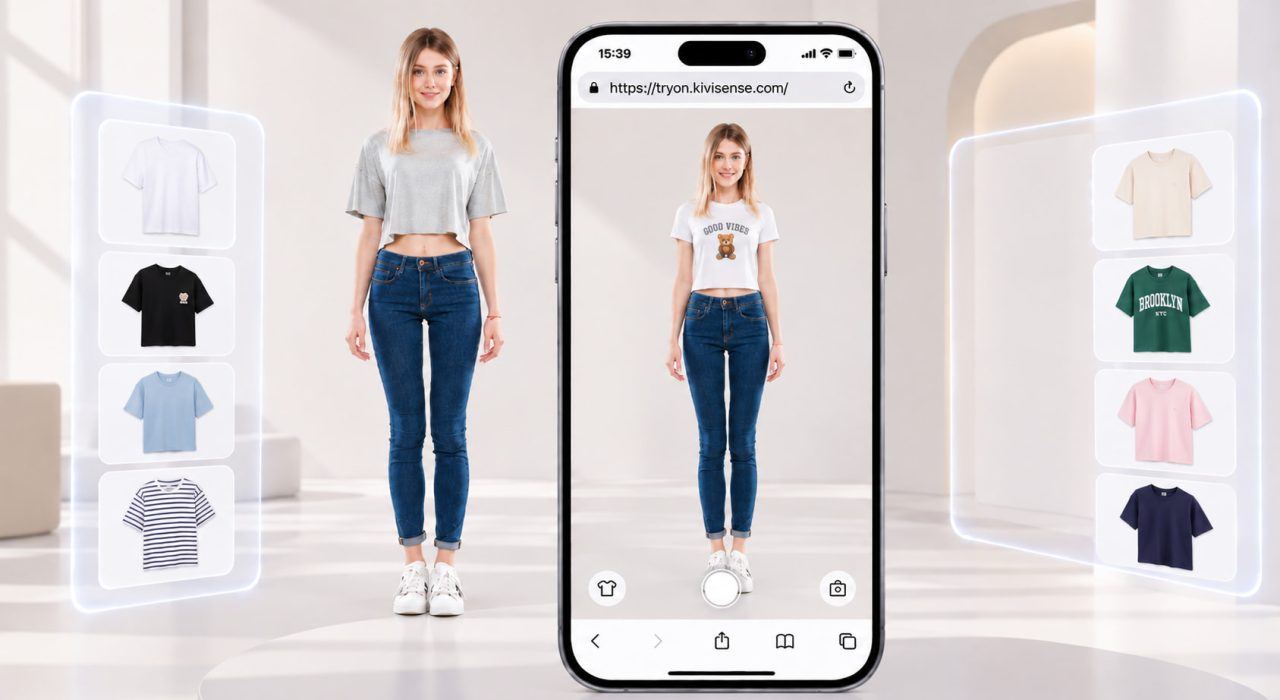
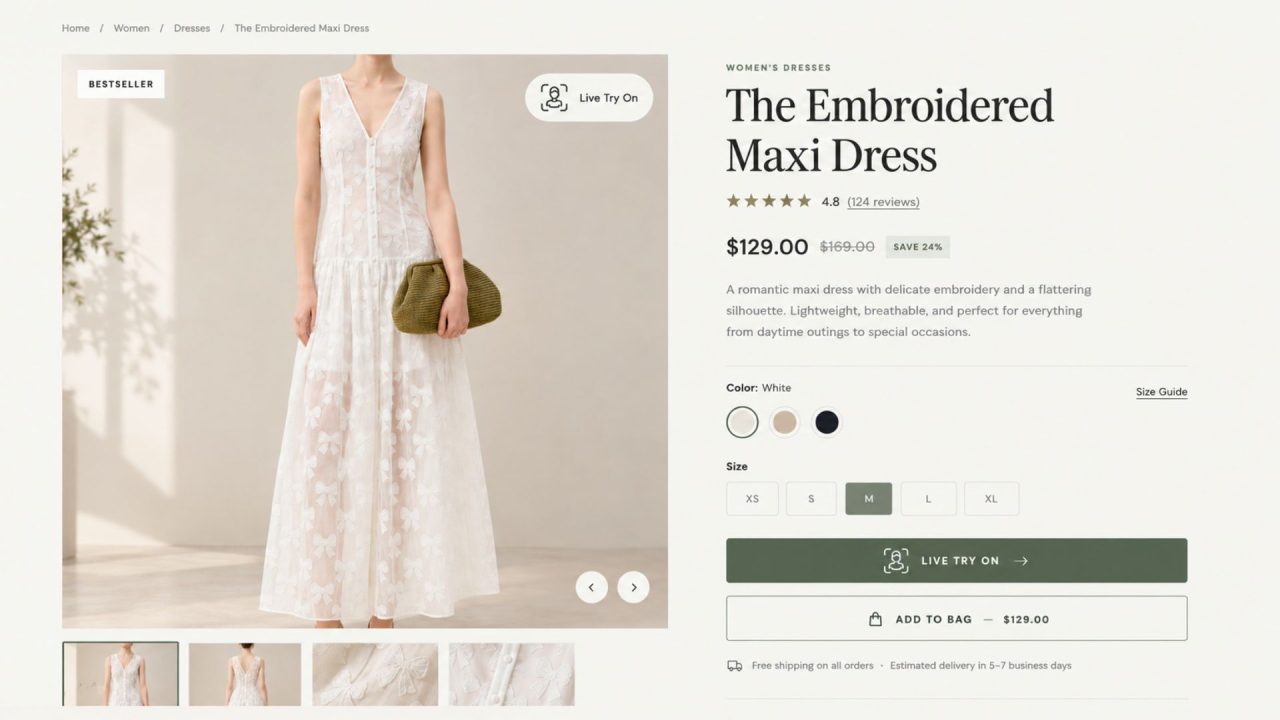
A website-embedded virtual dressing room is integrated directly into an online store. It enables customers to preview different outfits and continue their shopping journey within the product pages.
2. Smart Mirror Virtual Dressing Rooms
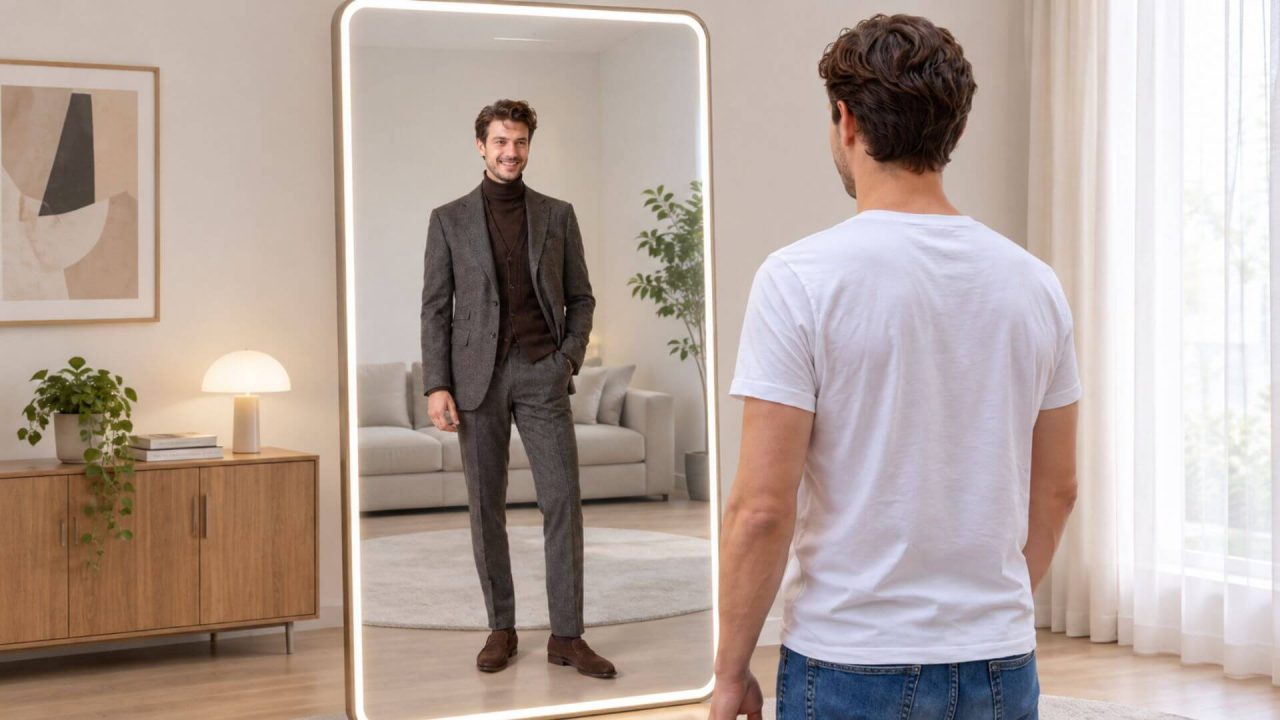
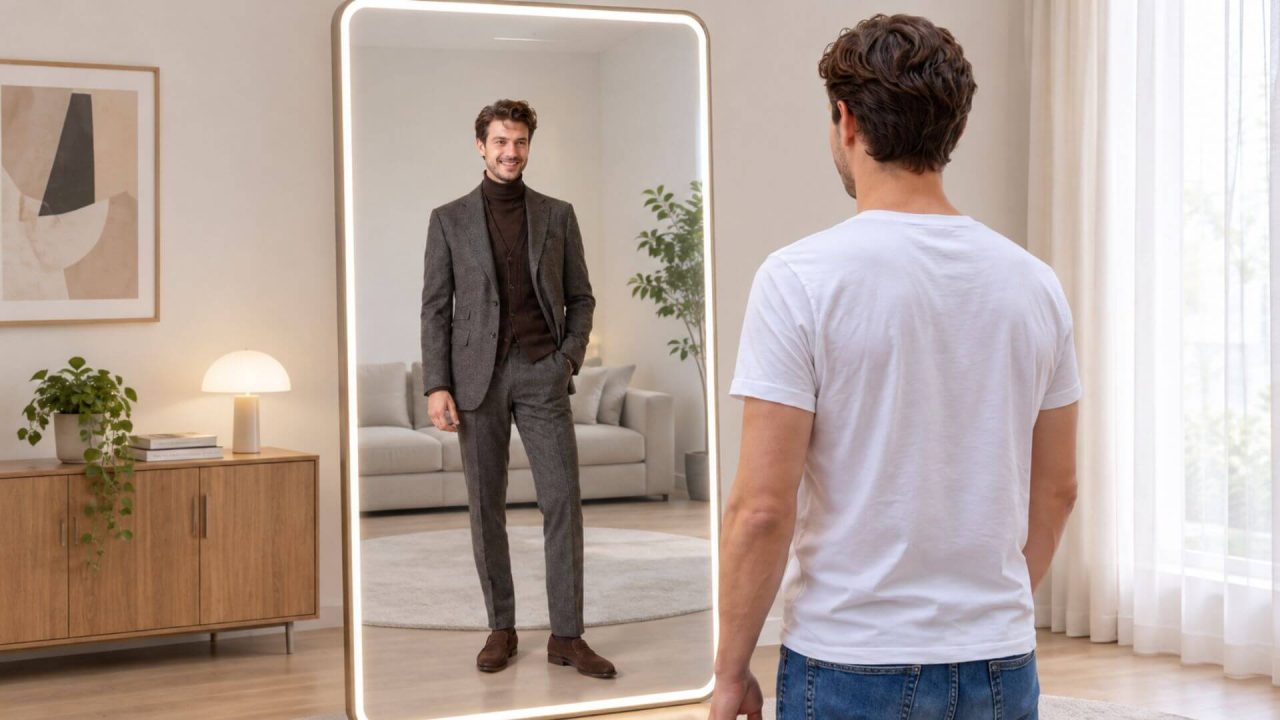
Smart mirrors are physical installations commonly found in fashion retail stores. When customers stand in front of the mirror, the system captures their image and displays selected clothing virtually on their bodies.
3. Virtual Dressing Room App Using Digital Avatars
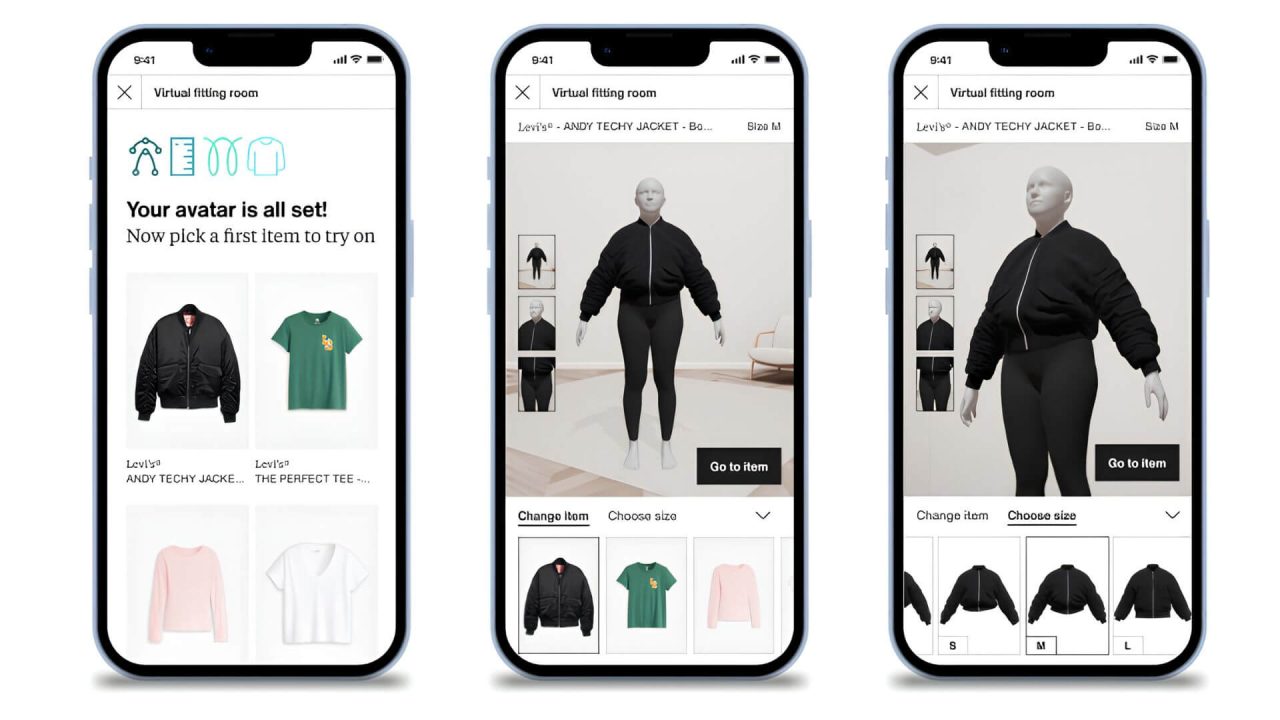
Some virtual dressing room solutions require customers to create a digital representation of their bodies before trying on clothes. These virtual dressing room apps typically generate an avatar for the customer according to the manual input of their body measurements.
How Virtual Dressing Room Technology Works
Although virtual dressing rooms can take different forms, most solutions follow a similar process:
1. Capture information about the shopper: This can be done through methods such as camera capture, uploading photos, or manual size input.
2. Process the clothing or product data: The system uses an AI model to analyze or use prebuilt 3D models as the product data input.
3. Generate the virtual try-on result: This stage differs largely depending on the try-on type:
• AI live try-on uses AI to generate real-time video frames for the try-on results.
• AR try-on identifies body landmarks, tracks movement, and positions the digital garment model to the user’s body.
• For avatar-based solutions, the virtual dressing software maps digital clothing onto the previously created body model.
4. Display the experience: once the virtual try-on result is generated, customers can view it on their devices.
The Surging Virtual Dressing Room Market
The expansion of online shopping has driven significant growth in the virtual dressing room for e-commerce. According to Grand View Research, the global virtual fitting room market was valued at approximately $8.5 billion in 2026 and is projected to grow to $38.3 billion by 2033.
North America currently represents the largest virtual dressing room market for virtual fitting room providers. The United States leads regional demand, while the UK and Germany are particularly relevant European markets.
Region / Country | Market Revenue | Forecast | CAGR |
North America | 38.2% of global revenue in 2025 | / | / |
United States | 87.4% of North American revenue in 2025 | / | / |
Europe | $2.05 billion in 2024 | $7.34 billion by 2030 | 23.9% |
United Kingdom | $380.4 million in 2024 | $1.16 billion by 2030 | 20.4% |
Germany | $324 million in 2024 | $1.06 billion by 2030 | 21.8% |
France | $182.8 million in 2024 | $626 million by 2030 | 22.8% |
As more consumers purchase clothing online, retailers are looking for ways to make digital product visualization more useful. Virtual dressing rooms are becoming an increasingly relevant part of that effort.
Some Real-World Virtual Dressing Room Examples
Here are three typical examples of brands that have adopted virtual dressing rooms for their clothes and have seen solid results.
1. McMullen: 272% User Engagement Increase
McMullen, a luxury womenswear retailer in the United States, introduced a 3D virtual dressing room to its e-commerce platform. Within just two months, McMullen reported a 272% increase in customer engagement. Average page views increased from 4.45 to 16.54. Customers also tried on an average of three garments during each virtual fitting room session.
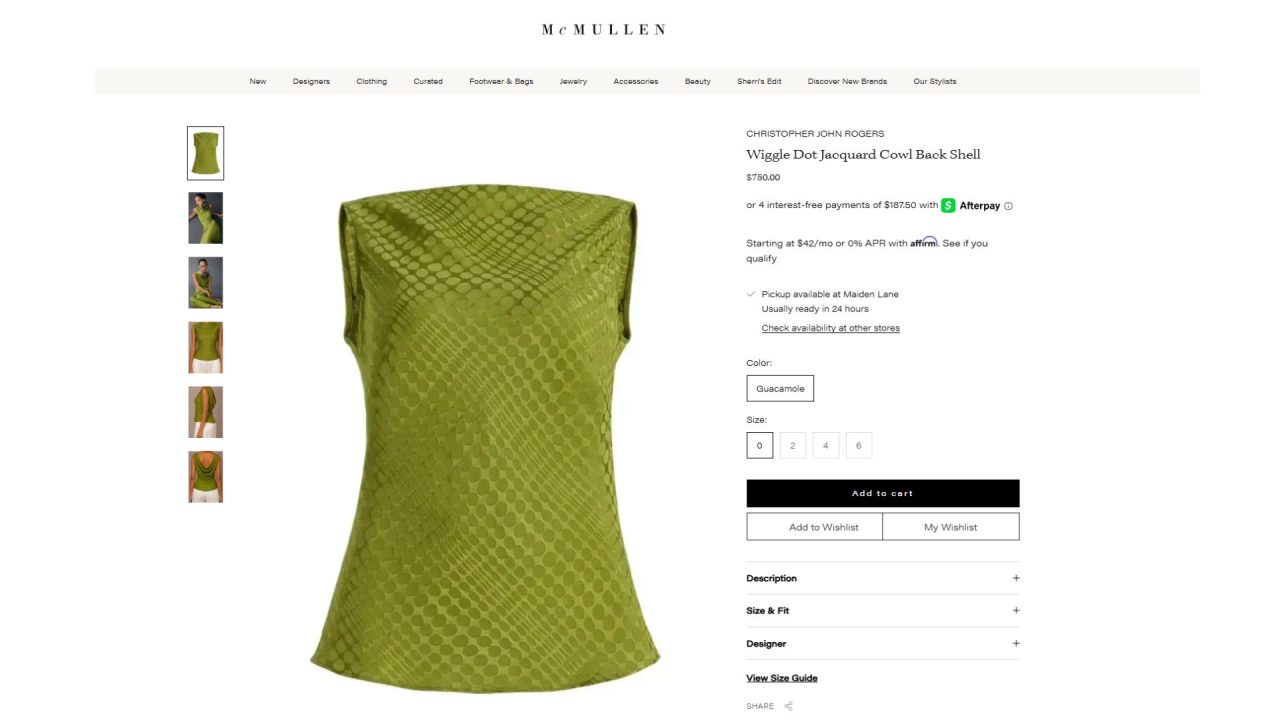
Image | McMullen
2. Garcia: 7.06% Conversion Rate Increase
Garcia is a European jeanswear brand offering casual clothing for men, women, and children. It introduced a virtual try-on feature to help online shoppers better understand how garments might look on their bodies. In a controlled A/B test conducted on live website traffic, Garcia found that shoppers with access to virtual try-on had a 7.06% higher conversion rate. The return rate also decreased by 5.54%. Additionally, 80% of shoppers who used the feature rated the experience positively.
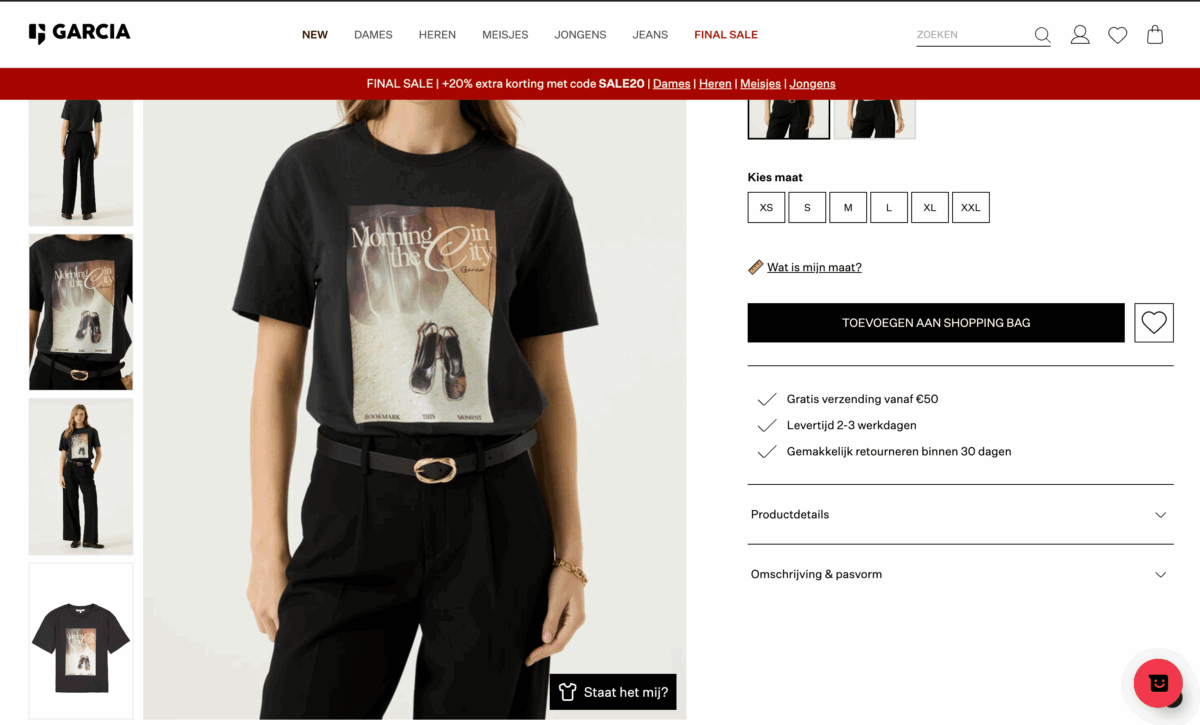 Image | GARCIA
3. DIDI: 13.1% Reduction in Returns
DIDI, a Dutch womenswear brand, introduced a virtual try-on feature to its online store. The tool allows shoppers to visualize how clothing looks on a body similar to their own, helping them make more confident purchase decisions. The results showed a 13.1% reduction in product returns and a 3.5% increase in conversion rate among shoppers with access to the feature.
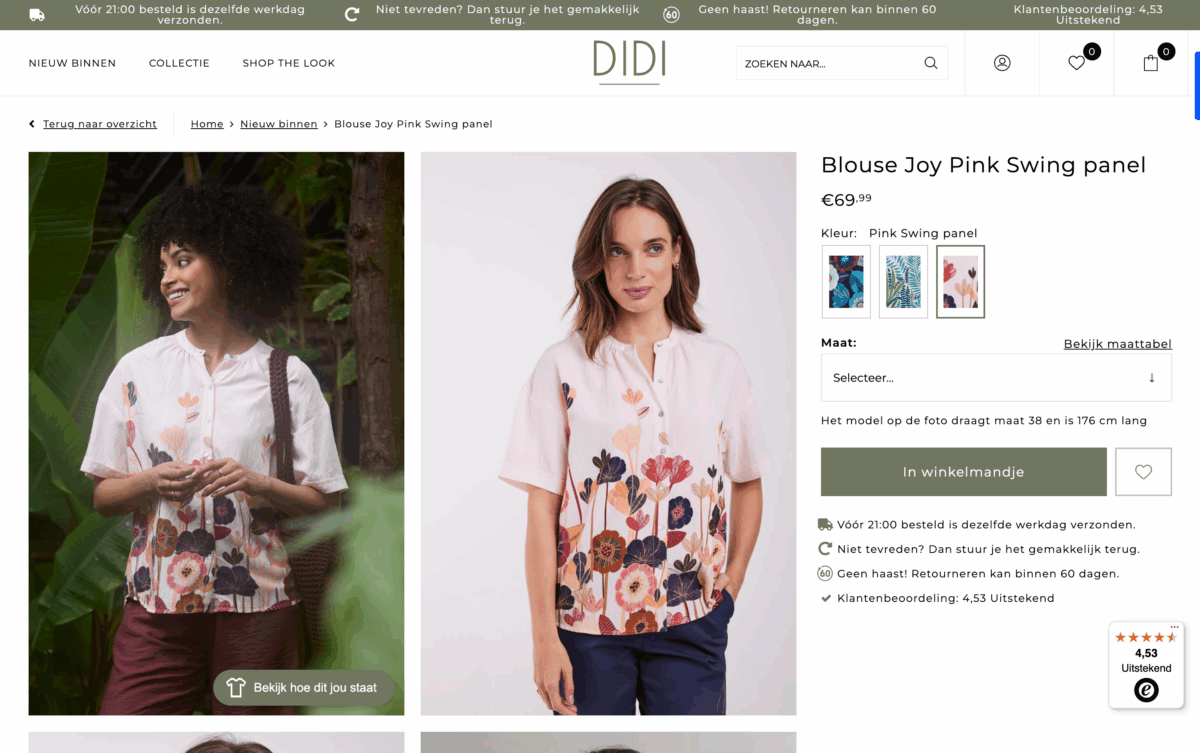
Image | DIDI
Best Virtual Dressing Room Provider – Kivisense
For fashion retailers looking to introduce this technology into their e-commerce stores, Kivisense offers an AI-powered virtual dressing room solution that delivers realistic try-on results and a flexible way to integrate. Powered by our Kivicube virtual dressing room app online, businesses can add virtual dressing room online experiences to their existing e-commerce platform easily, with no need to develop an entire system from scratch.
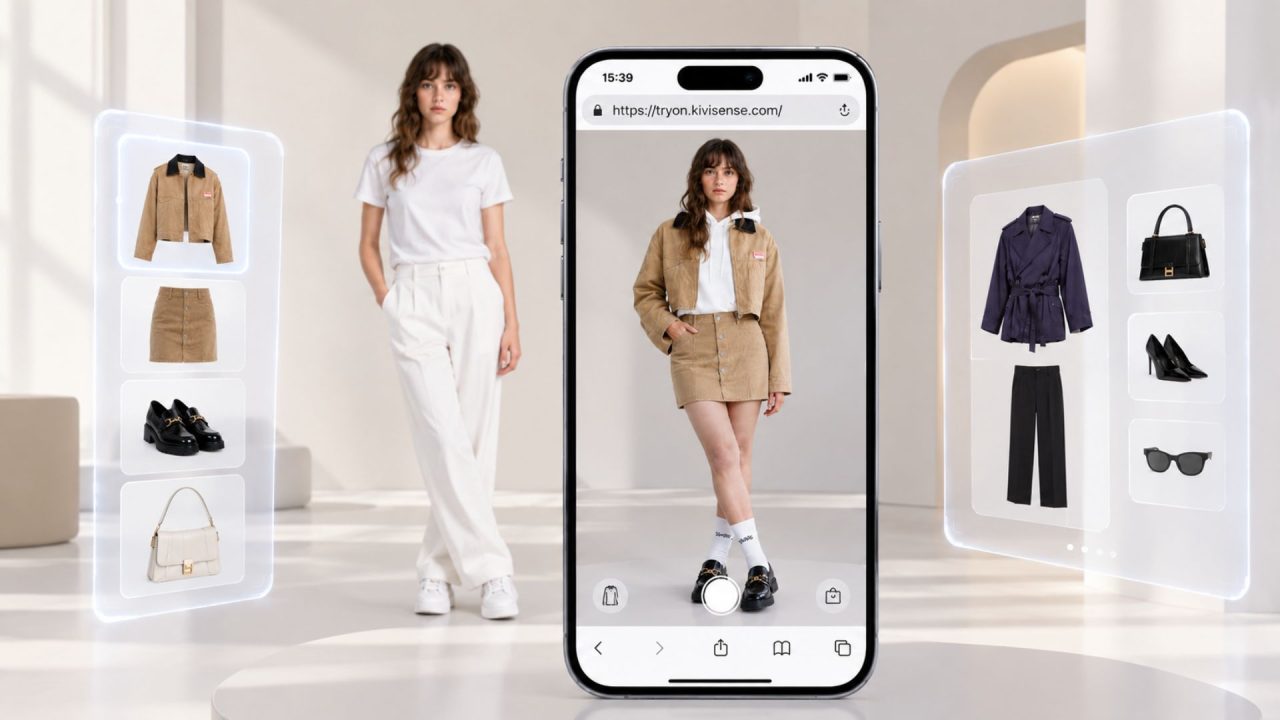
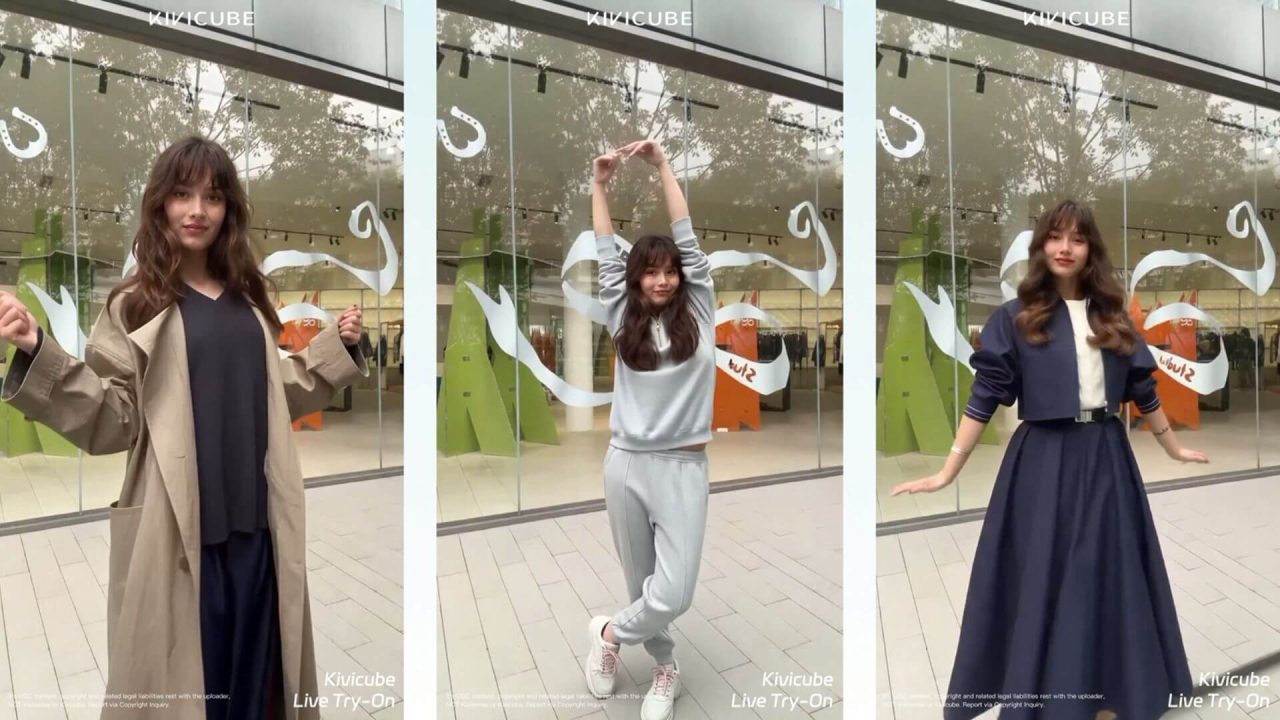
Natural & Realistic Live Virtual Dressing Results
Utilizing the newest AI live try-on technology, Kivisense delivers a lifelike virtual dressing room for clothes. Instead of building a 3D garment model for every item, the technology uses AI to generate a live virtual dressing experience.
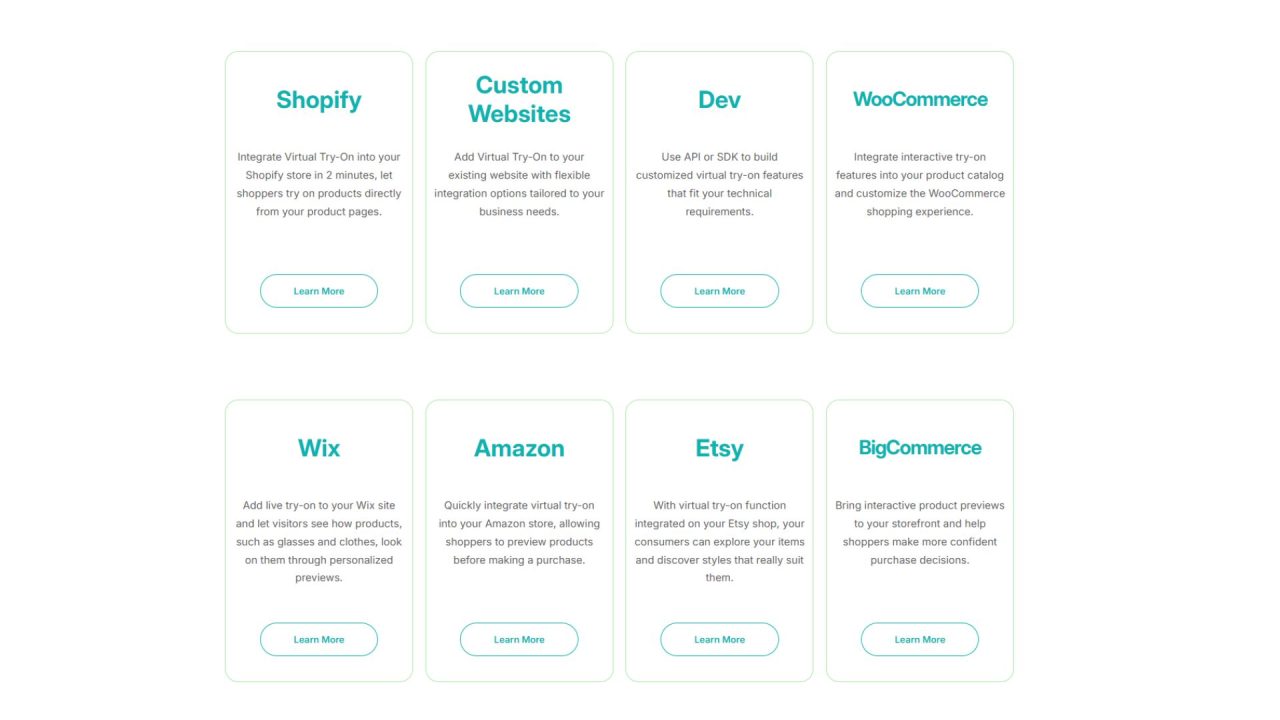
Flexible Omnichannel Integration
Beyond the different try-on modes, Kivisense also supports try-on integration across platforms. Retailers can easily embed their virtual try-on experiences into their Shopify stores and customized product websites, allowing shoppers to access the feature without downloading a separate app.
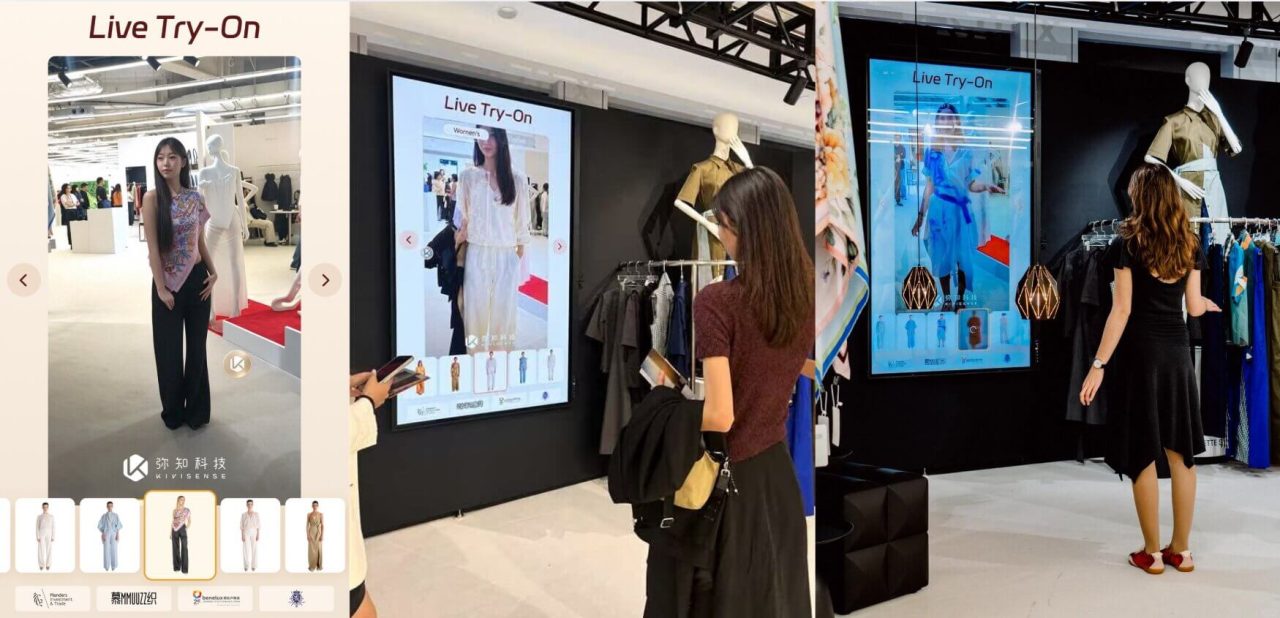
Both Online & Offline Virtual Dressing Experience
Not limited to online experiences, Kivisense also offers offline virtual dressing experiences with AR mirror technology. Customers simply stand in front of the mirror to try on different clothes without really wearing them, cutting the bother of constantly changing clothes. Customers can try products virtually wherever they shop.
How to Integrate a Virtual Dressing Room for Your Online Store
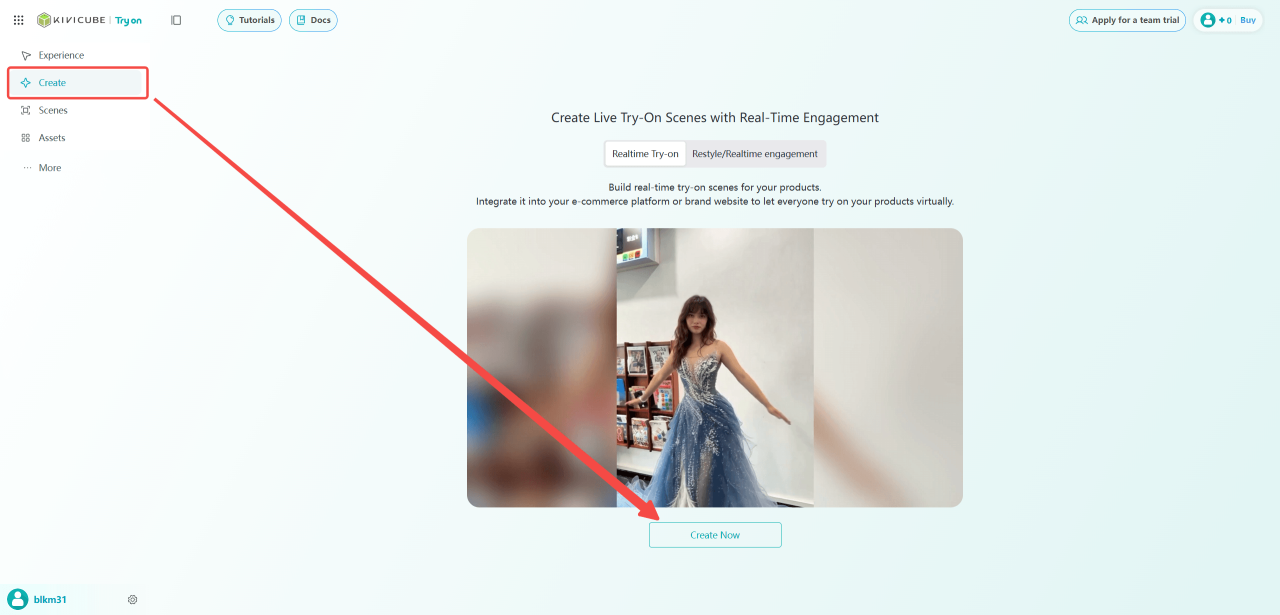
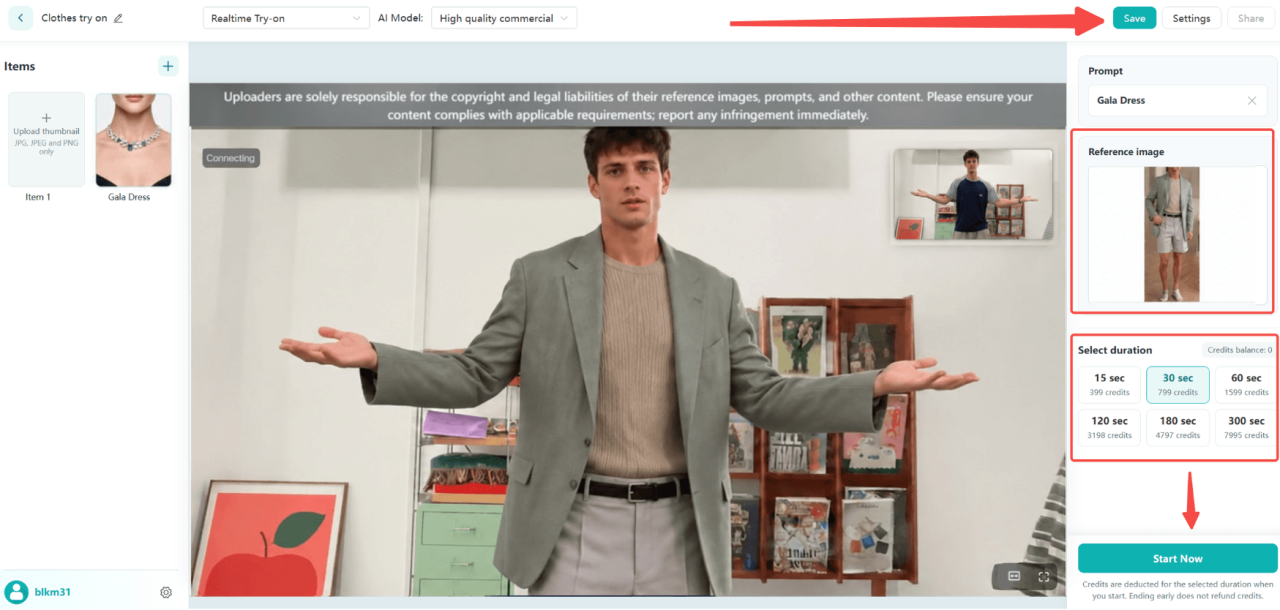
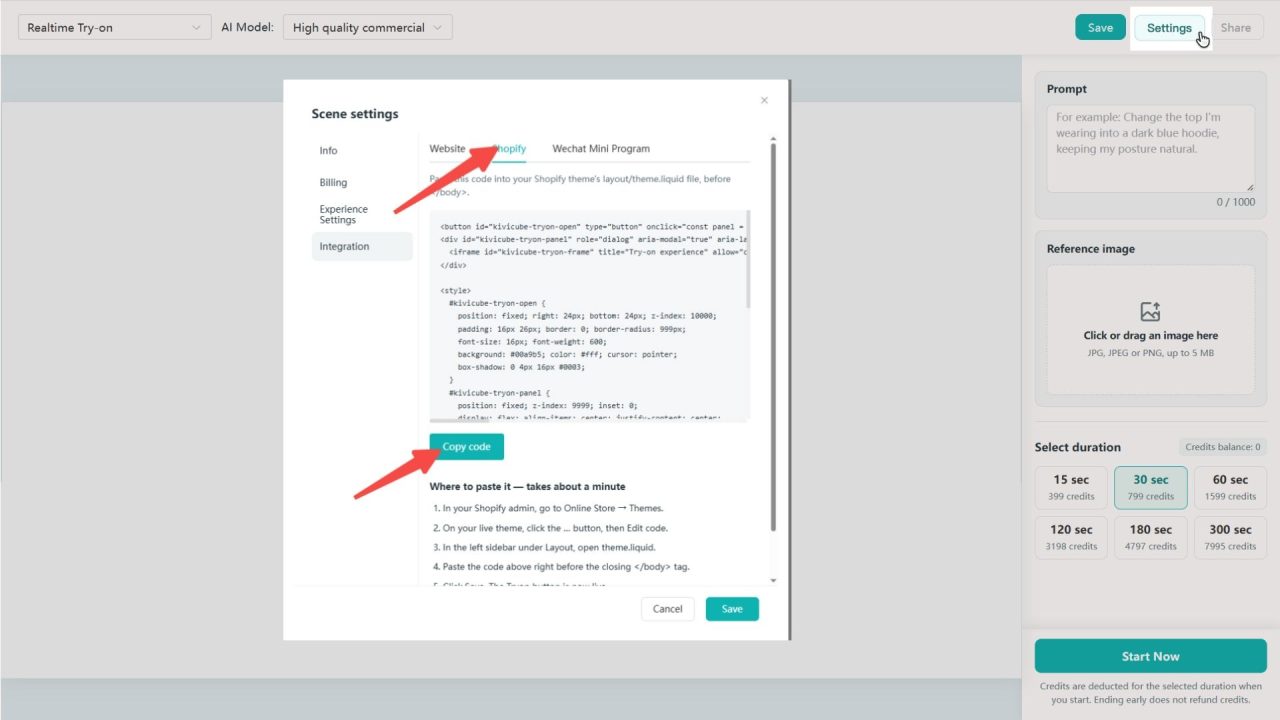
Integrating a virtual dressing room into an e-commerce website does not necessarily mean complex development. With Kivisense, businesses can do this easily in 3 steps. You can either start with the YouTube tutorial or the steps written below.
Step 1. Click here to create a virtual dressing scene for your product.
Step 2. Configure the try-on details and preview the experience.
Step 3. Get the integration code under “Settings” and embed it in your online store like Shopify.
Once the experience is configured, your customers can start dressing on your clothes directly on the product page. You can also contact us for dedicated platforms and requirements.
Conclusion
Virtual fitting rooms are becoming increasingly in demand for fashion shopping. By allowing consumers to visualize how clothes and other products look on them, this technology greatly reduces the return rate and becomes a must for e-commerce. Among all the virtual dressing apps and solutions, Kivisense offers a flexible virtual fitting service that can be easily integrated into your online and offline stores.